Want to understand your risk for developing Alzheimer's Disease?

Changes in the brain can occur 10-20 years before Alzheimer's disease symptoms appear. A new blood test that screens for levels of a protein called pTau vcan help you understand your risk for developing Alzheimer’s.

Changes in the brain can occur decades before the onset of dementia.

  • Recent advances in research allow us to now detect early stages of Alzheimer's with an investigational blood test.
  • Early intervention during this stage may prevent or prolong the time until symptoms start.
  • Almost 50% of adults 45 and older attribute early signs of cognitive and memory issues to aging and don't share those symptoms with their doctor.

How to find out your pTau levels

Calendar

Step 1:
Select location & schedule

Choose your location, tell us a little about you, and book your appointment.

Blood test

Step 2:
Complete your blood test

Complete your quick and easy blood draw.

Results

Step 3:
Get your results

A few weeks after your test, a member of our team will share your results, what they mean, and provide you with a copy to share with your doctor.

One Blood Draw, Many Health Insights

    /resources/testsSection/brain.svg
    pTau

    A protein that may measure your risk for developing Alzheimer's disease

    /resources/testsSection/fire.svg
    hsCRP

    A high sensitivity protein that, if chronically elevated, can be associated with heart disease risk.

    /resources/testsSection/blood-sugar.svg
    A1c

    Measures your average blood sugar over the past 2-3 months. It helps diagnose diabetes and prediabetes and monitor long-term blood sugar control.

    /resources/testsSection/kidneys.svg
    Creatinine / eGFR

    Estimates kidney function by measuring how well your kidneys filter blood. High creatinine or low eGFR may signal kidney disease.

    /resources/testsSection/heart.svg
    Lp(a)

    genetically determined type of cholesterol that puts you at greater risk of heart disease

    /resources/testsSection/bars.svg
    Lipid Panel

    Checks cholesterol and triglyceride levels. High LDL and triglycerides increase the risk of heart disease.

    /resources/testsSection/liver-new.svg
    Liver Function Tests

    Blood tests to screen for liver disease and detect fibrosis.
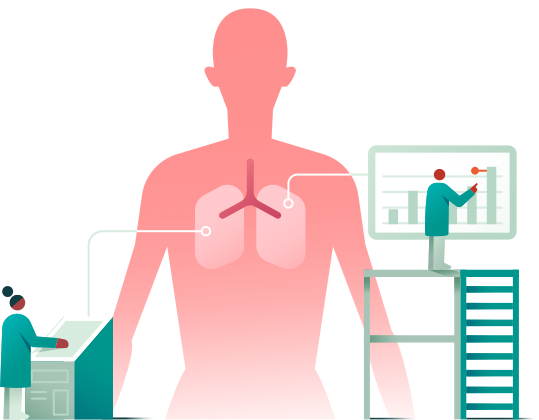
If you're eligible, you may receive these additional tests:

Old Lady cooking her niece
    FeNO (Fractional exhaled Nitric Oxide)

    Higher levels of nitric oxide can be a sign of inflammation in your lungs.

    Platelets

    Help with blood clotting and provide information about how your liver is functioning/working.

    EOS (Eosinophils)

    A type of white blood cell involved in inflammation. High levels may point to asthma or other allergic conditions affecting lungs.

As part of your free blood test, you may be invited to participate in clinical studies.

Hear from others who have participated in clinical research:

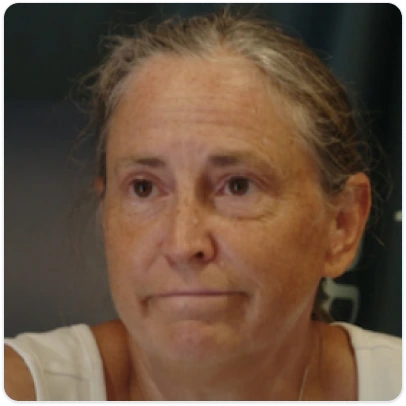
Penny

“I wholeheartedly hope other people will step up and do it, so they have enough people to fully carry this through.”

Penny

Clinical Study Participant

Testimonials provided by trial participants are personal experiences and do not necessarily represent the views of the trial sponsor or Care Access. They are not a substitute for medical advice, and the results of the trial may vary based on individual circumstances. Always consult with your healthcare provider before making any medical decisions.

Old man smiling

Ready to take action?

Schedule your blood test and receive:

  • Valuable test results from blood work including pTau, Lp(a), A1C, eGFR, a lipid panel, and hsCRP
  • The option to participate in research studies related to your health

FAQS

What is the difference between Alzheimer's disease and dementia? FAQ arrow to show more information
Alzheimer's disease is the most common type of dementia. Dementia is a steady decline of memory, thinking, and reasoning skills that impacts a person's quality of life daily. Memory care techniques are often encouraged by doctors as that can help strengthen cognitive (mental processing) function.
What are the early signs of Alzheimer's disease? FAQ arrow to show more information
Typically, memory issues and problems finding the right words or getting lost in familiar spaces are common early signs of Alzheimer's disease. Early onset Alzheimer's disease occurs when patients experience symptoms of dementia between the ages of 30 - 60. It's important to recognize and address any progressive decline in memory or thinking as almost half of patients do not discuss those changes with their doctor.
What are the stages of Alzheimer's disease? FAQ arrow to show more information
Alzheimer's disease stages are preclinical, early (mild), moderate (middle), and severe (late). During these stages, symptoms range from being unnoticed to very severe. However, in each stage the brain is affected and changed by the disease. In some cases, early onset Alzheimer's disease occurs when patients experience symptoms of dementia between the ages of 30 - 60.
What are the causes of Alzheimer's disease? FAQ arrow to show more information
The cause of Alzheimer's disease is unknown in most cases. However, in cases of early onset Alzheimer's disease, there could be a genetic factor. There are many other factors that could also affect a person's chance of developing Alzheimer's disease.
Is Alzheimer's disease genetic? FAQ arrow to show more information
Although the cause of Alzheimer's disease is unknown, for cases of early onset Alzheimer's disease, there may be a genetic factor for those who have a family history of Alzheimer's disease. Currently, researchers are learning to measure biomarkers in blood samples. Other genetic factors like Downs syndrome increase the risk of developing Alzheimer's disease.
Is there a cure or treatment for Alzheimer's disease? FAQ arrow to show more information
Currently, there is no Alzheimer's disease treatment or cure. Certain Alzheimer's disease treatments are being developed that may help treat symptoms. Memory care techniques are often encouraged by doctors as that can help strengthen cognitive function. Fortunately, new medical research is developing medications to treat early onset Alzheimer's disease hoping to slow the progression of the disease. See if you qualify to participate in a research study today.

Find a location near you.